
Selling a House With Code Violations in the Bay Area: A California Homeowner’s Guide
Receiving a code violation notice can be stressful, especially if the property has multiple problems, needs expensive repairs, or has been in the family for many years.
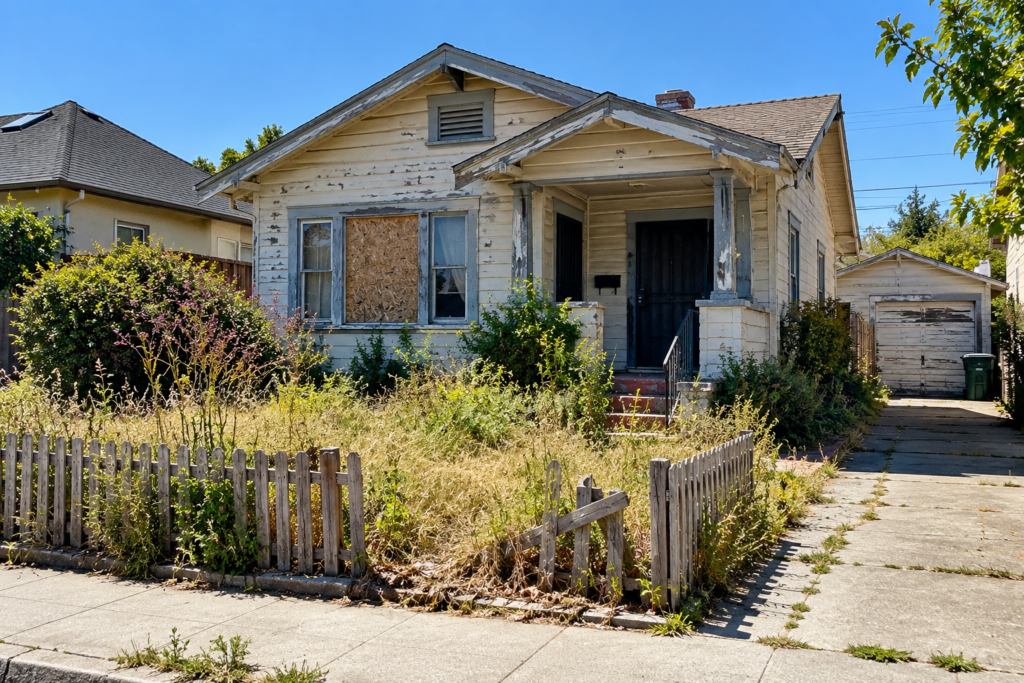
You may be wondering:
- Can I sell a house with open code violations?
- Do I have to fix everything before selling?
- What happens if some of the work was done without permits?
- Can the city place a lien on the property?
- Can a buyer take over the property with the violations?
- What happens to the violations when the house is sold?
The answer depends on the type of violation, the city where the property is located, and how far the enforcement process has progressed.
In many situations, however, an owner may still have options to sell a property with code violations. The important thing is to understand what the city is requiring, what costs or liens may already exist, and what a potential buyer will be taking on.
This guide explains some of the issues Bay Area homeowners should consider when deciding what to do with a property that has code violations.
Important: Code enforcement procedures vary by city and by the specific case. This guide provides general information and is not legal advice. If you have received a notice, order, hearing notice, or other official document, review it carefully and contact the appropriate city department or a qualified professional if you need advice about your specific situation.
In This Guide:
What Is a Code Violation?
Can I Sell a House With Code Violations?
Do I Have to Fix the Violations?
Unpermitted Work
Fines & Liens
Selling As-Is
Inherited Property
What to Do After Receiving a Notice
FAQ
What Is a Code Violation?
A code violation generally occurs when a property does not comply with applicable building, housing, zoning, safety, property-maintenance, or other local requirements.
Some violations are relatively simple to correct. Others can involve significant construction work, permits, inspections, engineering, or legal issues.
Common examples can include:
- Construction performed without permits
- Unpermitted additions or converted garages
- Electrical or plumbing problems
- Unsafe or substandard living conditions
- Structural problems
- Excessive trash, debris, or overgrown vegetation
- Vacant buildings that are not properly secured
- Zoning or land-use violations
- Work that does not match approved plans
- Deteriorated or unsafe property conditions
The exact rules and enforcement procedures vary by city.
Why Do Properties End Up With Code Violations?
Not every owner intentionally violates the rules.
A homeowner may have purchased the property without realizing previous work was unpermitted. A family may inherit a house that has not been maintained for many years. A long-term owner may have made additions decades ago when permitting requirements were less understood.
Other properties simply deteriorate because the owner no longer has the time, money, or ability to maintain them.
Code issues are especially challenging when several problems occur at the same time—for example, an inherited property that needs extensive repairs, contains unpermitted improvements, and has accumulated years of deferred maintenance.
What Happens After a Code Violation Is Reported?
The process depends on the city and the nature of the violation.
Generally, the city may investigate a complaint or inspect the property. If a violation is confirmed, the property owner may receive a notice describing the problem and what must be done to correct it.
Depending on the circumstances, the process can involve:
- A complaint or inspection
- A notice or citation
- A deadline to correct the problem
- A follow-up inspection
- Additional fees, citations, or enforcement if the problem remains unresolved
- More serious enforcement or abatement action in certain cases
Serious health or safety hazards may be treated much more urgently than minor property-maintenance issues.
If you receive a notice, don’t assume that every complaint automatically means the city has made a final determination. Read the notice carefully and find out the current status of the case.
Can I Sell a House With Code Violations?
Potentially, yes.
An open code violation does not necessarily mean that a property can never be sold. But selling a property with unresolved violations can be more complicated than an ordinary home sale.
The type and severity of the violation matter.
A property with a relatively minor exterior maintenance issue is very different from a house with major unpermitted construction, unsafe electrical work, structural problems, or an active abatement action.
The buyer also needs to understand what they are purchasing. Open violations, required repairs, recorded liens, outstanding fees, permit issues, and city deadlines may affect the transaction.
Before deciding how to sell, it is helpful to understand exactly what issues exist and what the city currently requires.
Do I Have to Fix the Code Violations Before Selling?
Not necessarily in every situation.
Some homeowners choose to correct the violations before selling because resolving the problems may make the property easier to finance and more attractive to traditional buyers.
But fixing everything is not always practical.
You may be facing:
- Expensive repairs
- Extensive deferred maintenance
- Unpermitted construction
- Engineering or architectural costs
- Permit expenses
- Contractor delays
- A property full of belongings
- An inherited property you do not want to renovate
- Tenants or occupants
- Limited time or money
In those situations, the owner may want to investigate whether selling the property in its current condition is possible rather than completing all of the work personally.
Exactly what must be completed before a transfer—and what obligations remain with the property or owner—depends on the particular violation and local requirements.
What About Unpermitted Additions and Improvements?
Unpermitted work is one of the more complicated problems that can arise when selling an older Bay Area property.
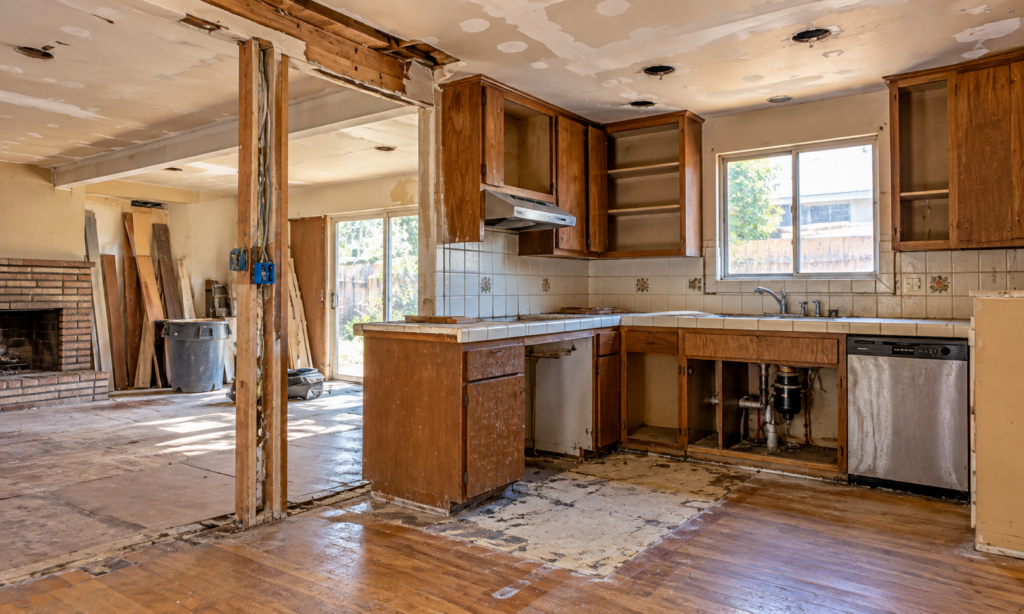
Examples might include:
- Garage conversions
- Added bedrooms or bathrooms
- Unpermitted kitchens
- Room additions
- ADUs or converted accessory structures
- Electrical or plumbing work
- Decks or exterior structures
- Changes to the property’s original layout
Resolving unpermitted work can sometimes require obtaining permits after the fact, preparing plans, opening walls for inspection, making corrections, or even removing work that cannot be legalized.
That does not automatically mean you should legalize everything before selling.
Before spending substantial money, consider how much the work could cost, how long it could take, how it might affect the property’s value, and whether selling the property as-is is a reasonable alternative.
Can Code Violations Result in Fines or Liens?
Depending on the city and the enforcement process, unresolved violations can lead to fees, penalties, abatement costs, or liens.
This is one reason homeowners should not simply ignore official notices.
The longer a serious case remains unresolved, the more complicated—and potentially more expensive—it may become.
If a lien has already been recorded, the amount owed will generally need to be addressed as part of resolving title and completing a sale.
A title or escrow company can help identify recorded liens affecting the property, while the applicable city department can provide information about its enforcement case and amounts it claims are due.
What If I Can’t Afford the Repairs?
This is a common concern.
A property may have significant equity while the owner does not have the cash available to complete tens of thousands of dollars in repairs.
In that situation, there are several possibilities to investigate.
Option 1: Make the Repairs and Sell Traditionally
If the repairs are manageable and you have the money and time, correcting the problems before selling may make the property attractive to a larger pool of buyers.
Option 2: Complete Only Necessary Work
Depending on the situation, you may determine that certain critical items should be addressed while other improvements are unnecessary.
Option 3: Sell the Property As-Is
An investor or other buyer experienced with repair properties may be willing to purchase a house in its current condition and account for the repairs, permitting issues, and risk in the purchase price.
An as-is sale does not mean that known problems should be hidden. Appropriate disclosures and the requirements applicable to the transaction still matter.
Option 4: Compare Both Approaches
Sometimes the best decision isn’t obvious.
A higher traditional sale price does not necessarily mean a higher net result if you first have to spend substantial money and months completing repairs.
Likewise, selling as-is for convenience may mean accepting a lower price.
The useful comparison is not simply:
Cash Offer vs. Listing Price
It is:
Expected net proceeds, costs, risk, work, and timeline under each option.
Selling Traditionally vs. Selling As-Is
For a house with code violations, there can be significant differences between the two approaches.
Traditional Sale
A traditional listing may provide exposure to a larger number of buyers and potentially produce a higher sale price, particularly if the property can be repaired and financed normally.
However, you may need to deal with:
- Repairs
- Permits
- Inspections
- Cleanup
- Contractor coordination
- Buyer inspections
- Financing requirements
- Appraisal issues
- Longer timelines
As-Is Sale
An as-is sale may be appropriate when the owner prioritizes simplicity and certainty or when the property requires substantial work.
Depending on the buyer and the situation, this approach may allow you to avoid completing some repairs or renovations yourself.
The tradeoff is that the buyer will normally factor the cost of repairs, permitting, risk, holding costs, and profit into the price they are willing to pay.
Neither approach is automatically better. The right choice depends on the property and the owner’s priorities.
What If the Property Is Vacant?
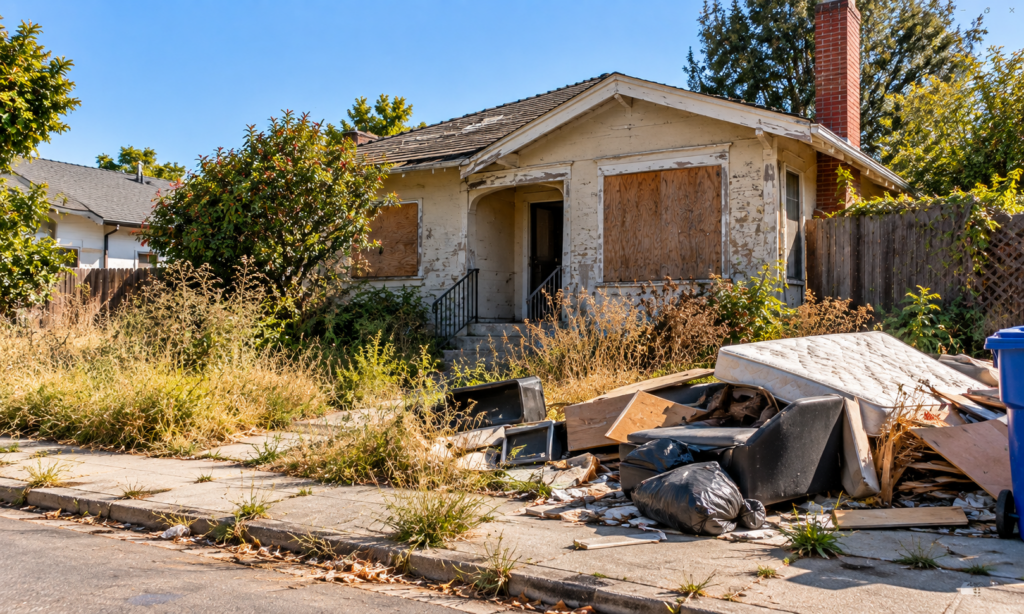
Vacant properties can create additional problems if they are not maintained or secured.
Overgrown vegetation, broken windows, trespassing, dumping, vandalism, unsafe structures, and accumulated debris can result in complaints or additional enforcement.
If you own a vacant property with an existing code case, it is worth monitoring the property and keeping communication open with the city while you decide what to do.
Selling may be one option if maintaining and repairing the property has become too burdensome.
What If the Property Is Inherited?
Code violations can be particularly difficult when someone inherits a property.
The heirs may know very little about the home’s history. They may discover unpermitted improvements, deferred maintenance, accumulated belongings, or an existing city enforcement case only after the owner’s death.
If probate is required, the estate administration can add another layer of complexity.
Before investing heavily in repairs, heirs should first understand:
- Who has legal authority to make decisions for the property
- The status of any code enforcement case
- Whether liens have been recorded
- Approximate repair and permitting costs
- The property’s likely value as-is
- The property’s potential value after repairs
- How much time and money the family wants to invest
Once those facts are clearer, the family can make a more informed decision about repairing, keeping, or selling the property.
What If There Are Tenants?
A tenant-occupied property requires additional care.
Housing-code violations involving habitability can raise issues very different from violations involving exterior maintenance or unpermitted construction.
Owners should not assume that selling the property eliminates their responsibilities to tenants or resolves an enforcement matter.
California and local Bay Area cities can have significant tenant-protection and relocation requirements. If a code case involves occupied rental housing, displacement, habitability, or an eviction issue, obtaining appropriate legal guidance may be especially important.
What Should I Do After Receiving a Code Violation Notice?
Start by understanding exactly what you received.
1. Read the Entire Notice
Identify the alleged violation, property address, case number, deadlines, inspector, and required corrective action.
2. Verify the Current Case Status
Contact the appropriate city department or use the city’s online case system when available.
3. Speak With the Inspector
Ask what needs to be corrected, what permits may be required, and what deadlines apply.
4. Understand the Cost
If substantial work is required, obtain enough information to understand the likely cost and complexity before committing to a particular strategy.
5. Check for Liens or Outstanding Charges
If the case has been open for a long time, determine whether fees, penalties, abatement charges, or recorded liens exist.
6. Compare Your Options
Once you understand the problem, compare repairing the property, keeping it, listing it traditionally, and selling it as-is.
Most importantly, don’t ignore official deadlines while you are deciding what to do.
Selling a Bay Area House With Code Violations
Code enforcement works differently across Bay Area cities, so the first step is determining exactly what your local agency requires.
A San Jose property with an unpermitted addition may present a very different situation from an Oakland property with a long-running blight case or a San Francisco property with an open building violation.
That’s why I prefer to look at the specific property and situation before suggesting a selling strategy.
I work with homeowners throughout the Bay Area who are considering selling properties that may need repairs, cleanup, permits, or other work.
Depending on the property, I may be able to help you compare:
- Selling the property as-is
- Preparing the property and listing it traditionally
- Making selected repairs before selling
- Understanding how the property’s condition may affect its value
You don’t have to decide how to sell before understanding the alternatives.
Frequently Asked Questions
Can you sell a house with code violations in California?
In many situations a property can still potentially be sold, but unresolved violations can complicate the transaction. The specific violation, local requirements, liens, required disclosures, buyer financing, and stage of enforcement all matter.
Does selling the property make the code violation disappear?
Do not assume that a sale automatically eliminates an open violation. The effect of a transfer depends on the particular enforcement action and local rules. The buyer, seller, city, title company, and escrow company may need to address outstanding issues as part of the transaction.
Can I sell a house with unpermitted work?
Potentially. However, unpermitted improvements can affect value, financing, insurance, appraisal, disclosure, and what a buyer is willing to pay. The city may also require work to be legalized, corrected, or removed.
Will a code violation show up during a home sale?
It may. Buyers can discover issues through inspections, seller disclosures, public records, permit research, title information, or their own due diligence. Known material issues should be handled appropriately rather than concealed.
Can a city put a lien on my house for code violations?
Depending on the city and circumstances, enforcement costs, penalties, abatement expenses, or other charges can potentially result in liens or assessments. Check the specific case and title records rather than assuming whether a lien exists.
Can I sell the property as-is?
An as-is sale may be possible depending on the circumstances. Selling as-is generally means the seller is not agreeing to make repairs as part of the sale; it does not necessarily eliminate disclosure requirements or government enforcement obligations.
Should I fix the violations before selling?
It depends on the cost, timeline, property value, severity of the violations, and your goals. Before spending a large amount of money, compare the likely net result from repairing and listing with the likely result from selling in the property’s current condition.
What if I received a code violation on an inherited house?
First determine who has authority to act for the estate or property. Then investigate the violation, any liens or fees, repair costs, and the property’s value. This information can help the heirs decide whether keeping, repairing, or selling makes the most sense.
Need Help Understanding Your Options?
If you own a Bay Area property with code violations and are unsure whether you should repair it, list it, or sell it as-is, I’m happy to discuss the situation with you.
You can explain what’s happening with the property, and I can help you look at the practical selling options.
Call Eddie at 650-980-9819.
No pressure and no obligation. The goal is to help you understand your choices before deciding what to do.
Let’s Talk About Your Property
If you’d rather send the information online, use the form below and tell me a little about the property and the code issues you’re dealing with.
Let’s Talk About Your Options
Whether you sell to me, list with an agent, or simply want to understand your options, I’m happy to help.