If you’re dealing with a property that has a reverse mortgage after a loved one has passed away, you’re probably trying to figure out:
- What happens to the loan
- How much time you have
- Whether you should keep or sell the property
This situation can feel overwhelming — especially with time pressure and multiple decisions to make.
Here’s a simple breakdown of what to expect and what your options are.
What Happens to a Reverse Mortgage After Death?
When the homeowner passes away, the reverse mortgage becomes due and payable.
This means:
- The loan balance must be paid off
- The lender will contact the heirs or estate
- A timeline begins to resolve the property
How Much Time Do You Have?
Most lenders allow:
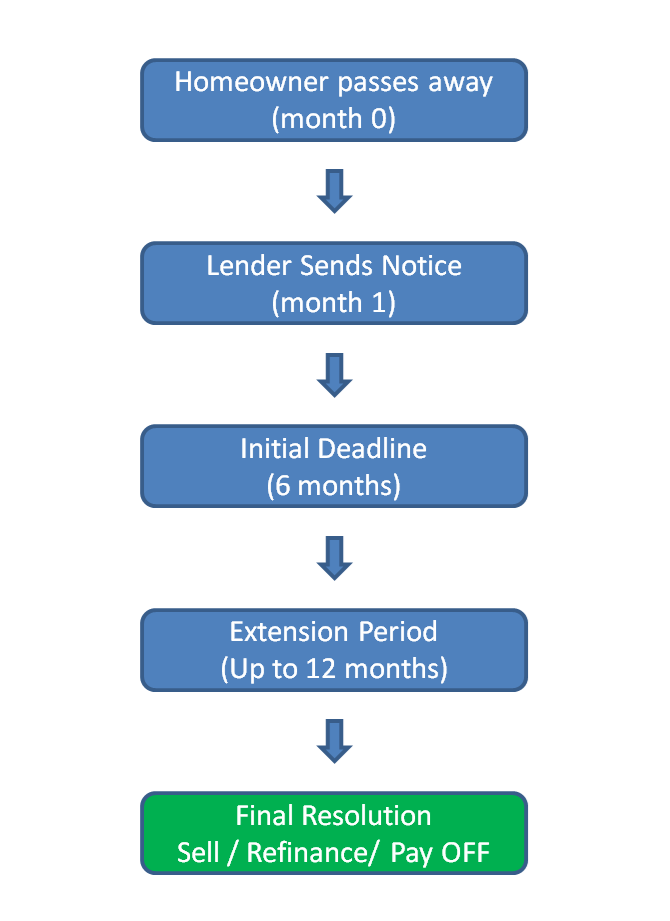
- About 6 months initially
- Possible extensions up to 12 months total
During this time, you’ll need to:
- Sell the home
- Refinance the loan
- Or pay off the balance
👉 If no action is taken, the lender can begin foreclosure.
Typical Timeline After a Reverse Mortgage Becomes Due
Your Main Options
Option 1: Sell the Property (Most Common)
- Pay off the reverse mortgage
- Keep any remaining equity
- Avoid ongoing costs and pressure
Option 2: Keep the Property
- Requires refinancing into a new loan
- Monthly payments begin
- Property taxes may increase (Prop 19)
Option 3: Walk Away
- Reverse mortgages are non-recourse loans
- You’re not personally responsible beyond the home value
⚠️ How Property Taxes May Change After Inheritance
One thing many families don’t realize is that property taxes can change significantly after inheriting a home.
Under California’s Proposition 19, inherited properties may be reassessed to current market value unless certain conditions are met.
This means:
- A home that was previously taxed at a low rate could see a large increase in property taxes
- Monthly ownership costs may be much higher than expected
- This can affect whether it makes sense to keep or sell the property
For example:
A property with taxes of $3,000/year could increase to $10,000–$15,000+ per year after reassessment.
👉 You can learn more about how Proposition 19 affects inherited property here:
https://www.goldengateeddie.com/blog/california-homeowners-age-55-proposition-19-may-affect-your-property-taxes-and-your-childrens-inheritance/
The Biggest Challenges Families Face
From experience, most people dealing with this situation run into:
- Not knowing the exact loan balance
- Time pressure from the lender
- Property needing repairs
- Probate delays
- Confusion about property taxes
⚠️ Important: The Timeline Matters
Even though you may have up to 12 months:
- Interest keeps adding to the loan
- Delays reduce remaining equity
- The process can become more stressful over time
👉 If the property also has unpaid property taxes, that can create additional pressure. You can learn more here: https://www.goldengateeddie.com/blog/behind-on-property-taxes-understand-your-options-before-it-gets-worse/
💡 A Simpler Option
In many cases, families choose to sell the property as-is to avoid:
- Repairs
- Cleaning out the home
- Dealing with showings
- Waiting months for a traditional sale
👉 We Can Help You Sell Quickly and Easily
If you’re dealing with a reverse mortgage situation and want a simple path forward, we can help.
- We buy houses as-is
- No repairs needed
- No agent commissions
- Flexible closing timeline
- We can work with probate situations
👉 Call or text Eddie at 650-980-9819
👉 Or reach out here: https://www.goldengateeddie.com/contact-us/
Even a quick conversation can help you understand your options.
Eddie Lam is a licensed real estate agent with eXp Realty of California (DRE 01845234).